Web Development
Fedora Commons Ingest Tool
Fedora Commons is an open source repository for digital collections. This tool automates the ingest of digitized items and metadata into a Fedora Commons 4 instance.
All object relationships conform to the Portland Common Data Model.
All PHP code uses the PSR-2 (Coding Style) and PSR-4 (Autoloading) standards. This library was released under the GPLv3 License.
The library is installed via Composer:
$ composer require unhplace/fedora-ingest
Usage
          use UNHPlace\FedoraIngest\FedoraCollection;


          // Create a new collection with a named slug

          $col = FedoraCollection('col-1');


          // Set the local path for binaries

          $col->setBinaryPath('data');


          // CSV source

          $col->ingestCsv('csv/metadata.csv');


          // FGDC XML source

          $col->ingestFgdcXml('xml/*.xml');


          // Print the Linked Data URIf

          echo $col->getUri();
CSV keys are Dublin Core metadata elements, e.g., dcterms:identifier, dcterms:title, dcterms:coverage, etc.
The project was funded by the Institute of Museum and Library Services, National Leadership Grants for Libraries Program.
- fedora-ingest (github.com)
Drupal & Solr
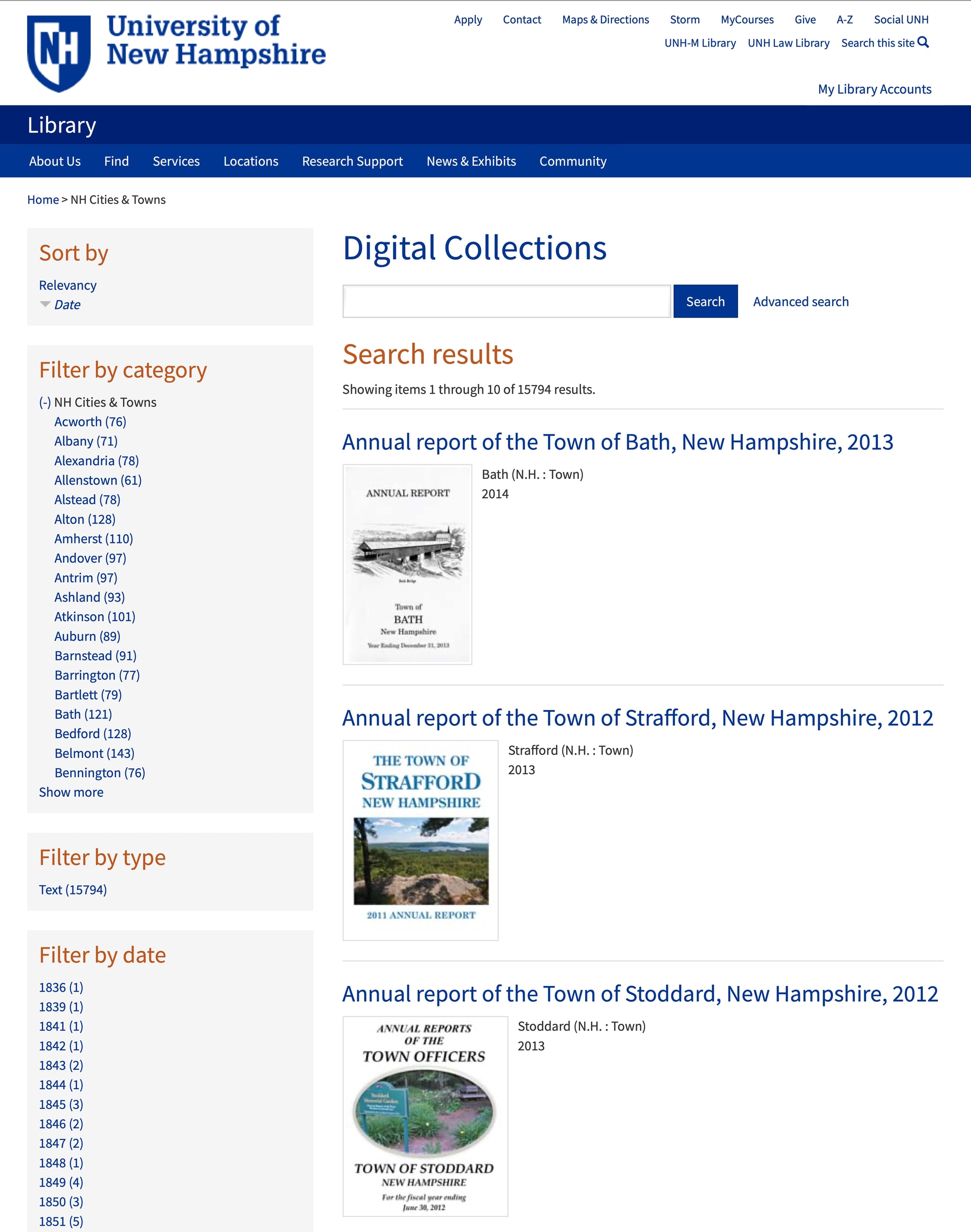
The UNH Library Digital Colllections (2017) used the Solr search server to index their scanned documents, full text, and metadata. Drupal has a community-supported module to provide search facets using Solr fields.
This project required developing a Solr schema and appropriately weighting index columns to support keyword search.
A custom Drupal module provided a connection between Fedora Commons and the Drupal theme.
Library Archives

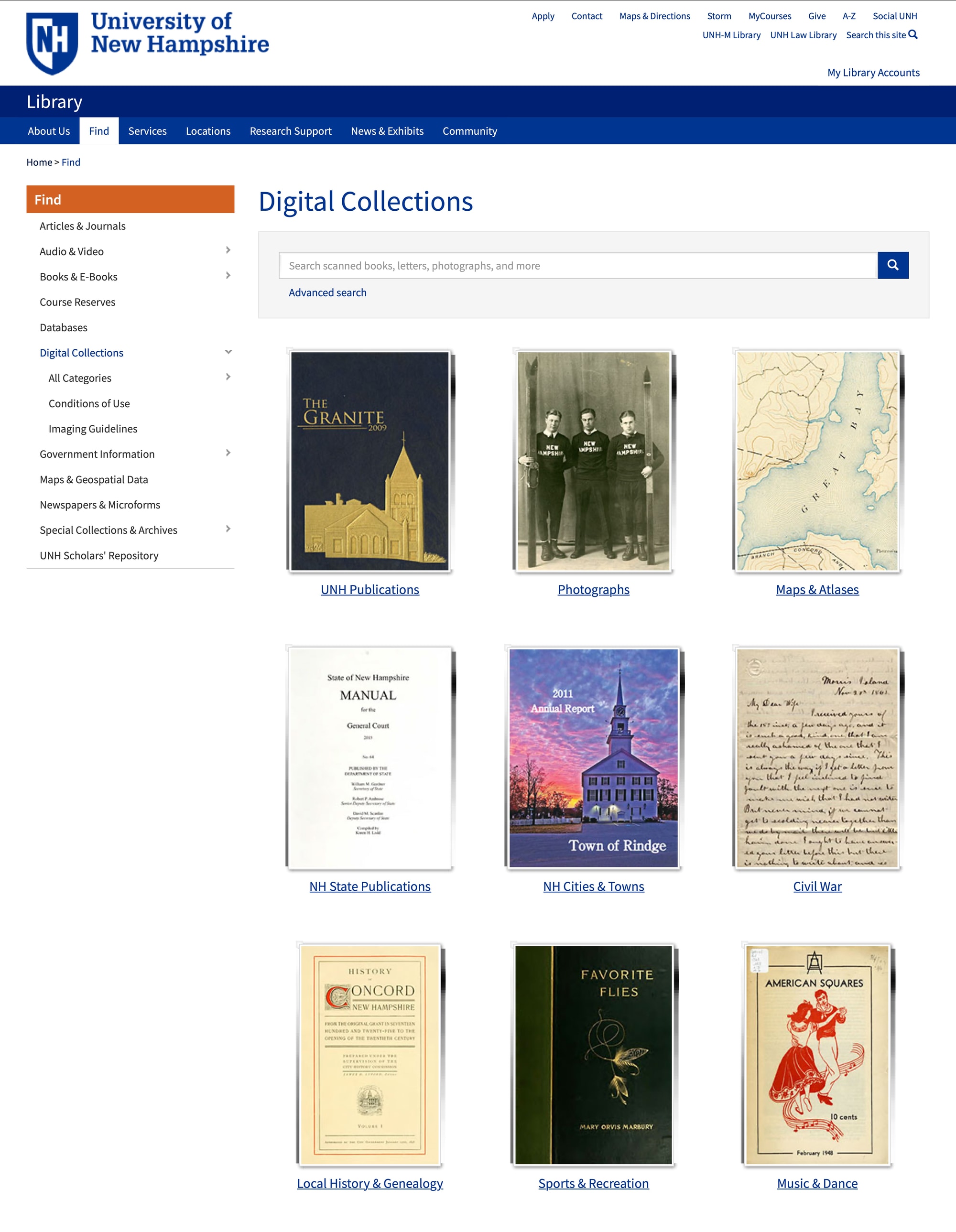


Archival finding aids were formatted in XML then translated to HTML5 using Extensible Stylesheet Language Transformations (XSLT). This was packaged as a Drupal module, which also caches the computationally expensive translation.
CSS Flexbox
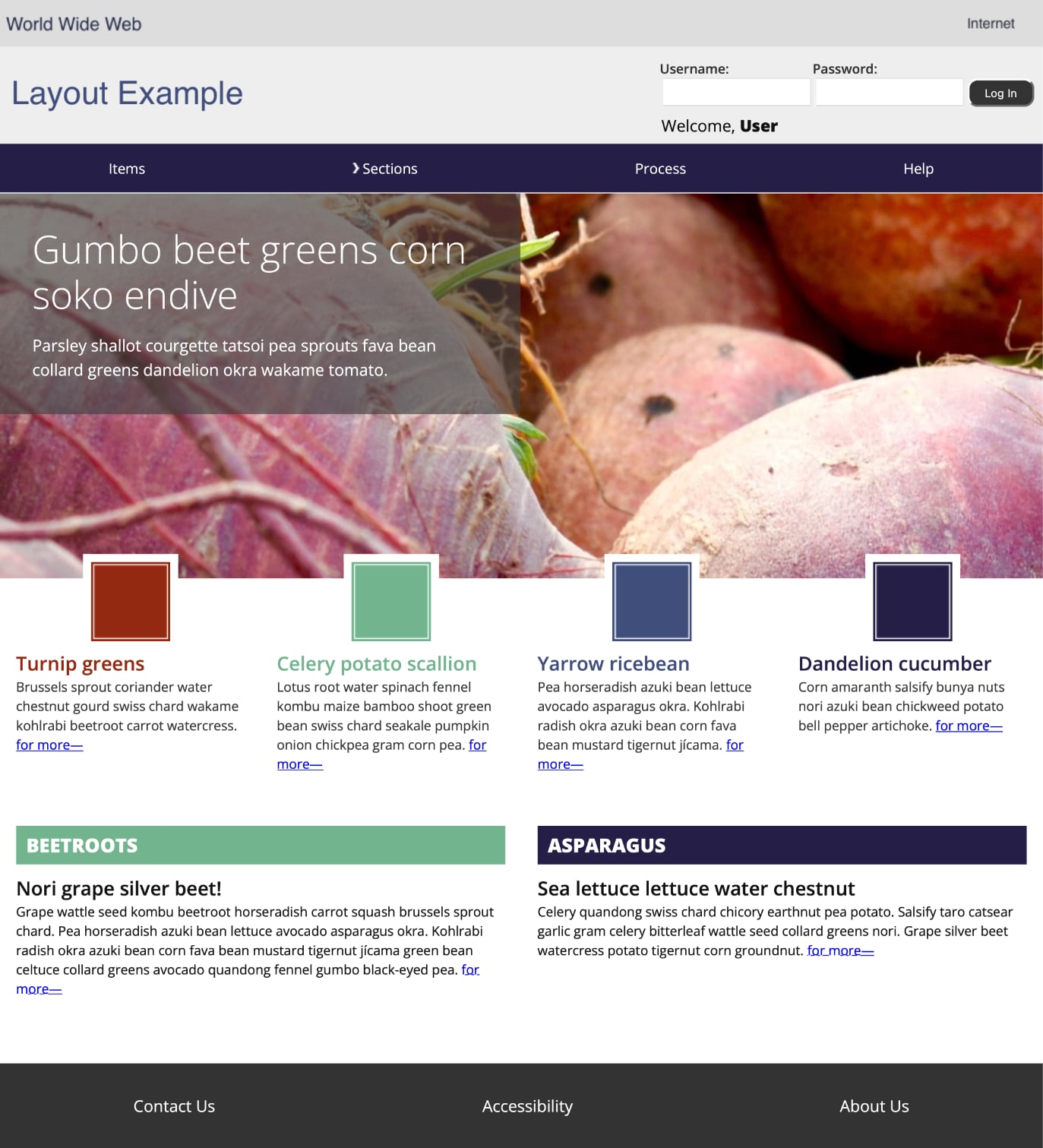
This modified work sample employs a responsive design using only HTML & CSS, using Flexible Box Layout (Flexbox) instead of external libraries.
Zwitscher-Maschine / Twittering Machine
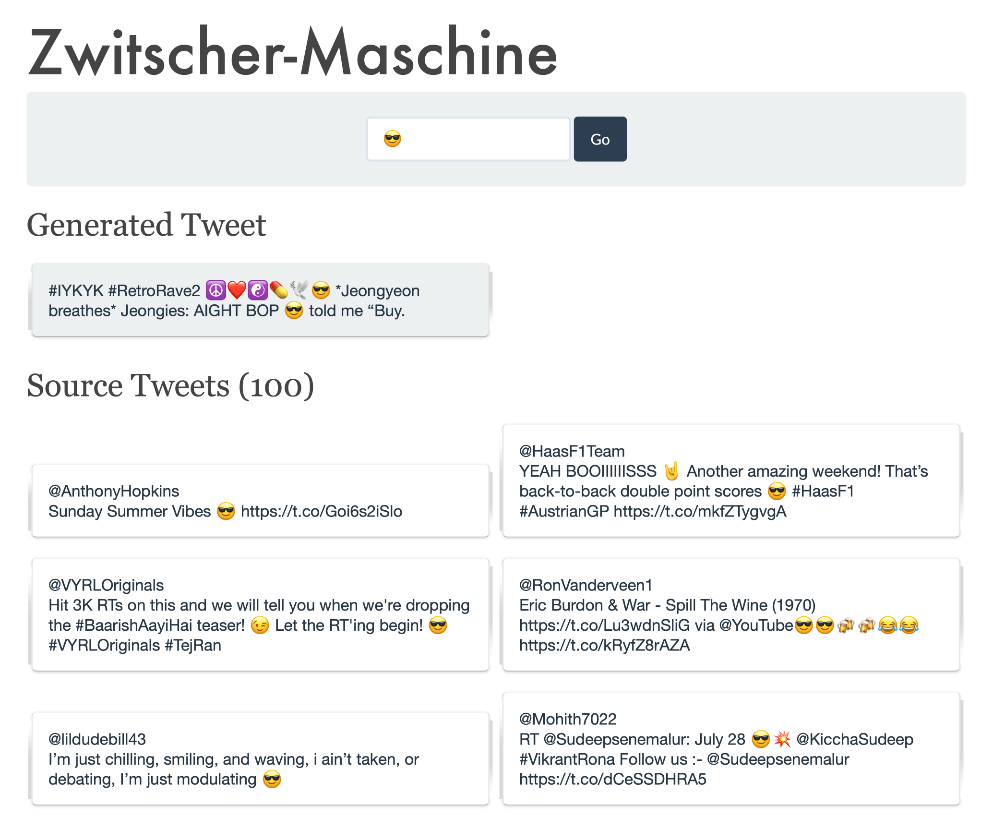
This experiment used a Markov chain to generate a new tweet based on 100 tweets from Twitter. Users could search for source tweets using keywords and emojis 😎. Written in PHP.